
www.HealthyHearing.com |
Pros and cons of rechargeable hearing aidsThey're quickly becoming the more popular optionKey points:
Hearing aids today are powered by one of two types of batteries: disposable, removable “button” batteries or built-in rechargeable batteries. Rechargeable hearing aids have quickly become the preferred option for many people because of their convenience. However, disposable batteries may still be the better fit for some, depending on individual needs and circumstances. Let's look at the pros and cons of rechargeable hearing aids, the types of devices that typically use them, and whether they might be the right choice for you.
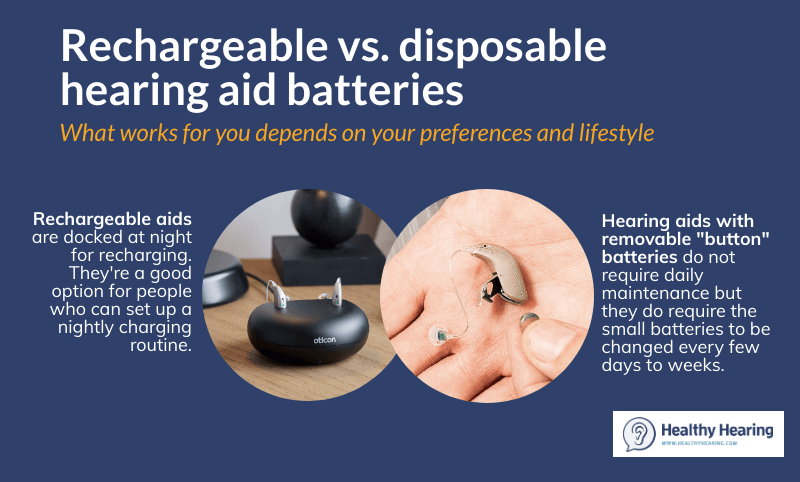
What is a rechargeable hearing aid battery?Rechargeable hearing aids have built-in batteries that do not require regular removal. Instead of removing the batteries themselves, you dock your hearing aids each night on a charging unit, similar to how smartphones recharge. These batteries often last five years before needing to be replaced, but the timeframe can vary depending on usage. In contrast, disposable batteries need to be replaced every few days to weeks, depending on the hearing aid model. What are the advantages of rechargeable hearing aids?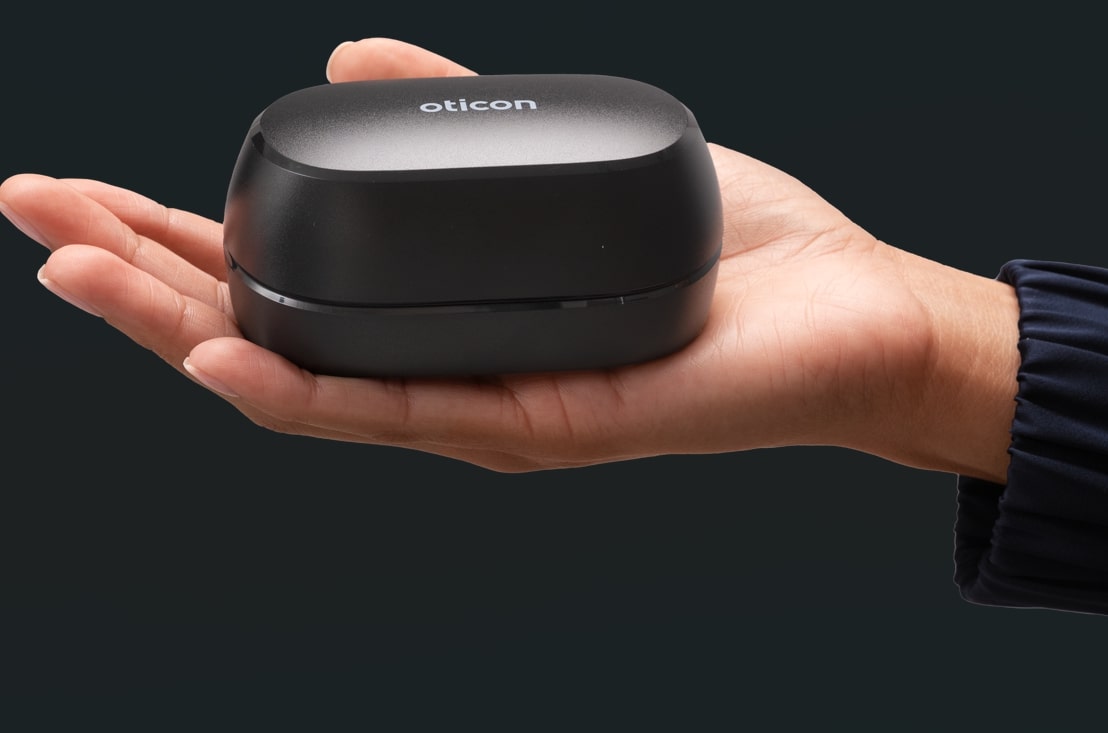
Notable advantages of rechargeable hearing aids include:
“If peeling the tab off a battery and not dropping it, or being able to get it to fit into the compartment, is difficult for somebody, then rechargeable would be a huge advantage,” said Tim Cross, a hearing instrument specialist and owner of Earzlink Hearing Care in Hillsboro, Ohio. For example, a 90-year-old patient of Cross's found them to be invaluable. “Quite frankly, you could drive down the street and hear her television or pound on the door and she would not hear you,” he said. “She had limited dexterity and sight — and wouldn’t wear hearing aids because she couldn’t change the battery.” 
specialist Tim Cross He fit her with rechargeable hearing aids and kept an extra charger in his office so she wouldn’t have to live without her hearing aids if a problem occurred. “It totally changed her life,” he said, “and gave her family peace of mind.” What are the disadvantages of rechargeable batteries?While the benefits are clear, not everyone is well suited to wear rechargeable hearing technology. “For the most part, it’s very simple and basic,” Cross said, “but some people might not think beyond the normal routine and process (such as power outages or if the grandkids accidentally unplug the charging unit). “In these situations, it’s much easier to just pop in a new set of batteries.” Other disadvantages include:
How to find the right hearing aids for youOf course, there are many factors to consider when choosing a hearing aid, from your degree of hearing loss and lifestyle needs to comfort, features and ease of use. That’s why it’s important to have an in-depth conversation with your hearing care professional. They can help you weigh your options and determine the best hearing aid for you—which may or may not come with rechargeable batteries. Visit our online directory of hearing clinics to find a trusted provider near you. Debbie Clason, staff writer, Healthy Hearing
Emily Ostrowski, content manager, Healthy Hearing
|
Hearing centers close to me:
| Ohio State Univ Hearing |
| Nationwide Childrens Hospital |
| Ohio State University Audiology Clinic |
| Columbus Speech & Hearing Center |
Find hearing clinics in my country:


 Debbie Clason holds a master's degree from Indiana University. Her impressive client list includes financial institutions, real estate developers, physicians, pharmacists and nonprofit organizations.
 Emily is an experienced journalist and medical content writer based in Maine. Passionate about delivering enlightening and accurate content, she is committed to empowering people to make informed choices regarding their hearing health.